
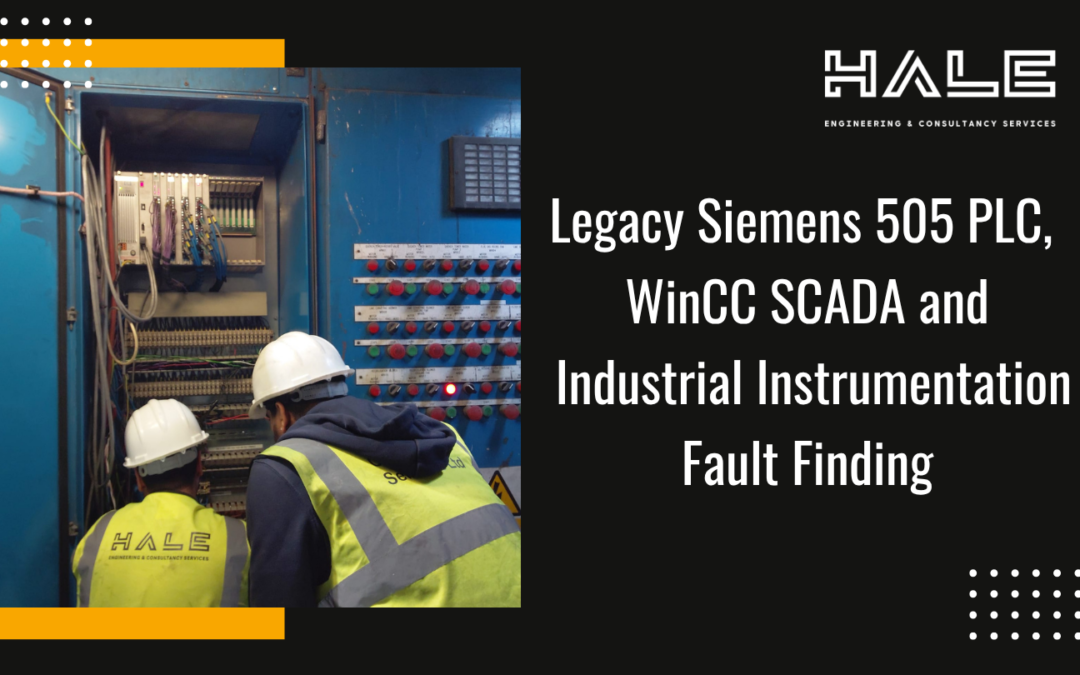
This case study shows how Hale Engineering Consultancy & Services Ltd supported a client with a critical industrial automation fault affecting a legacy Siemens 505 PLC, WinCC Explorer SCADA, flow metering system and weighing instrumentation. The work focused on detailed PLC fault finding, analogue signal diagnostics, SCADA alarm restoration and practical engineering support to return the plant to normal operation.
This type of work is important because ageing control systems, unreliable instrumentation and limited diagnostics can quickly create serious operational pressure on industrial sites. When a PLC system starts to fail, site teams may face production downtime, poor process visibility, inaccurate feedback, missed alarms and increased maintenance difficulty.
Project Overview
The client was operating a legacy industrial control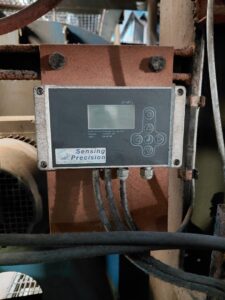 system based on a Siemens 505 PLC integrated with WinCC Explorer SCADA. The system was connected to key process instrumentation, including a flow meter, weighing scale controller and load cell feedback.
The equipment was operationally important because it provided critical process information to the PLC and SCADA system. When the instrumentation and alarm visibility failed, the site experienced disruption, reduced confidence in process readings and avoidable production downtime.
Due to the age of the Siemens 505 PLC and the complexity of the legacy automation infrastructure, several companies were unwilling to take on the work. Hale Engineering was approached to investigate the issue and provide a clear route to resolution.
Challenge
The site was experiencing several linked faults across the control and instrumentation system. These issues affected both production reliability and operator visibility.
The main challenges included:
- A flow meter that was completely non-operational.
- Critical alarms not displaying correctly on WinCC Explorer SCADA.
- Weighing scale controller feedback not reading correctly back to the PLC.
- Load cell feedback giving inaccurate or unreliable readings.
- Wiring faults affecting signals and system communication.
- Significant fluctuations in the analogue mA output signals.
- A legacy Siemens 505 PLC system with limited modern diagnostic support.
These problems made fault finding more difficult and increased the risk of further operational disruption.
Our Approach
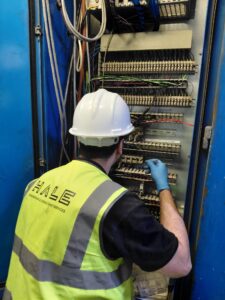
Hale Engineering carried out a systematic fault-finding investigation across the full control and instrumentation path. This included checking the electrical supply, inspecting wiring, reviewing signal behaviour, verifying PLC I/O and testing the relationship between the field devices, PLC and SCADA system.
The team focused on identifying the true root causes rather than only treating the visible symptoms. This approach was important because the faults were not isolated to one device. The issue involved several connected areas, including fuses, wiring, analogue signals, weighing controller output and load cell performance.
Engineering Solution
 PLC and I/O Troubleshooting
The Siemens 505 PLC inputs and outputs were checked to confirm whether the correct field signals were reaching the controller. This helped separate PLC-related issues from field instrumentation and wiring faults.
SCADA Alarm and Visibility Checks
The WinCC Explorer SCADA system was reviewed to confirm why critical alarms were not displaying correctly. Restoring alarm visibility was essential to support operators and improve process awareness.
Industrial Instrumentation Diagnostics
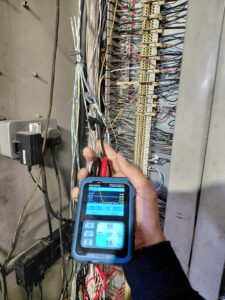
The flow metering system, weighing scale controller and load cell feedback were tested to identify the source of the incorrect readings. Analogue 4–20mA signal behaviour was reviewed, including signal fluctuations that were affecting measurement accuracy.
Electrical Fault Finding and Wiring Corrections
The investigation identified a blown fuse and wiring fault that were contributing to the loss of functionality. These issues were addressed as part of the wider control system fault-finding process.
Key Improvements Delivered
The work delivered practical operational improvements for the site, including:
- Flow meter operation restored.
- Critical SCADA alarms functioning correctly.
- Accurate weighing and load cell feedback restored.
- Improved diagnostics and fault visibility.
- Reduced risk of repeated unplanned downtime.
- Better confidence in process readings.
- Improved maintainability of the legacy control system.
- Clearer understanding of the root causes affecting the plant.
Outcome
 Following the investigation and corrective work, the plant was returned to normal production quickly. The flow meter was restored, the critical alarms were visible on SCADA, and the weighing system feedback was brought back to a reliable condition.
The result was a more stable control and instrumentation system, improved operator visibility and stronger support for maintenance teams. The work helped protect production, reduce disruption and improve confidence in the reliability of the legacy automation infrastructure.
Future Recommendations
For sites operating older PLC and SCADA systems, Hale Engineering recommends regular reviews of legacy control systems, instrumentation signals and electrical drawings. Keeping documentation updated, checking analogue signals, reviewing alarm visibility and planning legacy PLC migration early can help reduce future downtime.
Sites should also consider regular electrical audits, control panel inspections and SCADA/HMI visibility improvements to support safer and more reliable long-term operation.
Summary
This project demonstrates the value of practical engineering experience when supporting complex legacy industrial automation systems. Older PLC platforms, such as Siemens 505, can still be maintained and fault-found effectively when engineers understand the full process, from instrumentation and wiring through to PLC logic and SCADA integration.
Hale Engineering supports industrial sites with PLC fault finding, SCADA and HMI improvements, electrical integration, control panel work, instrumentation diagnostics, commissioning and long-term engineering support. For critical environments, this approach helps reduce downtime, improve maintainability and protect operational reliability.